What are you looking for?


PVC anti-UV
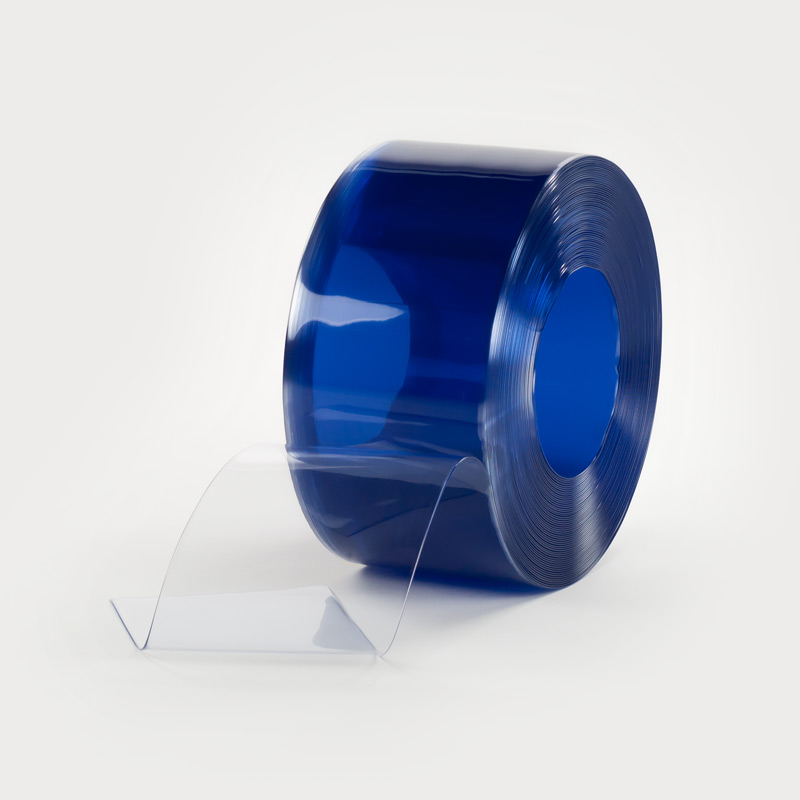
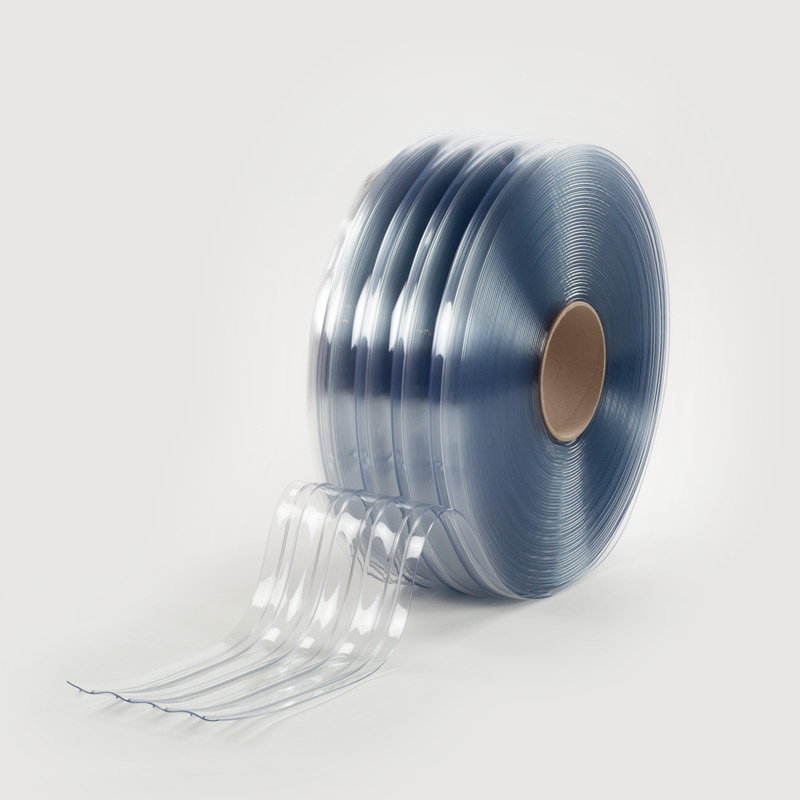
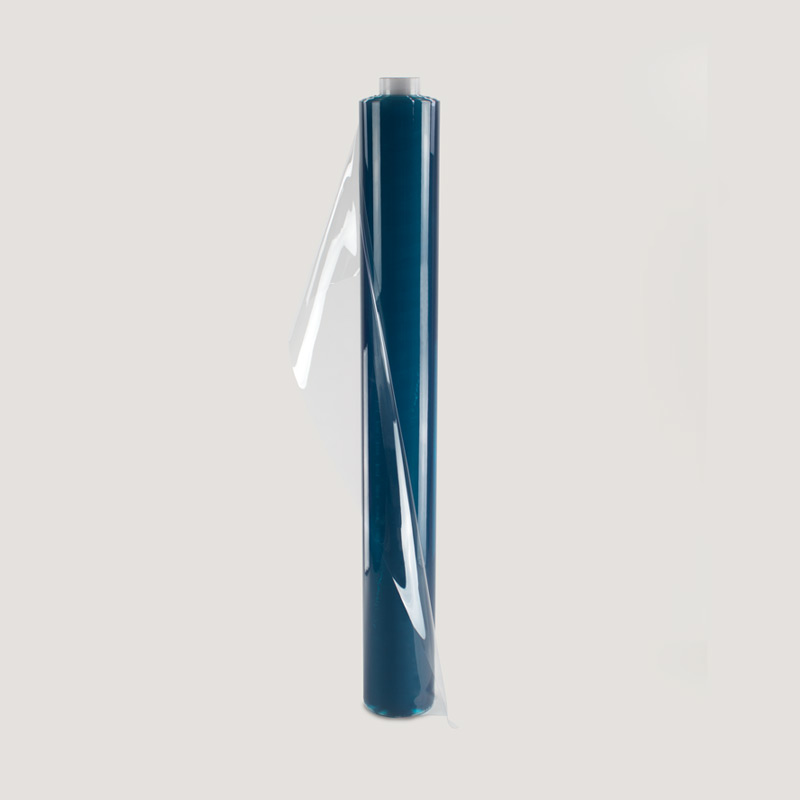
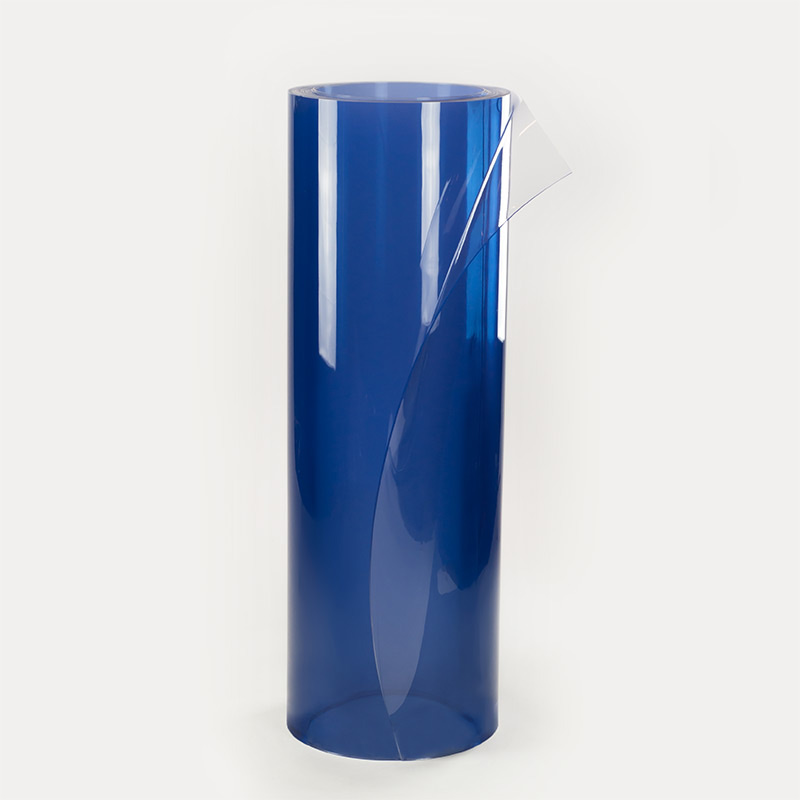
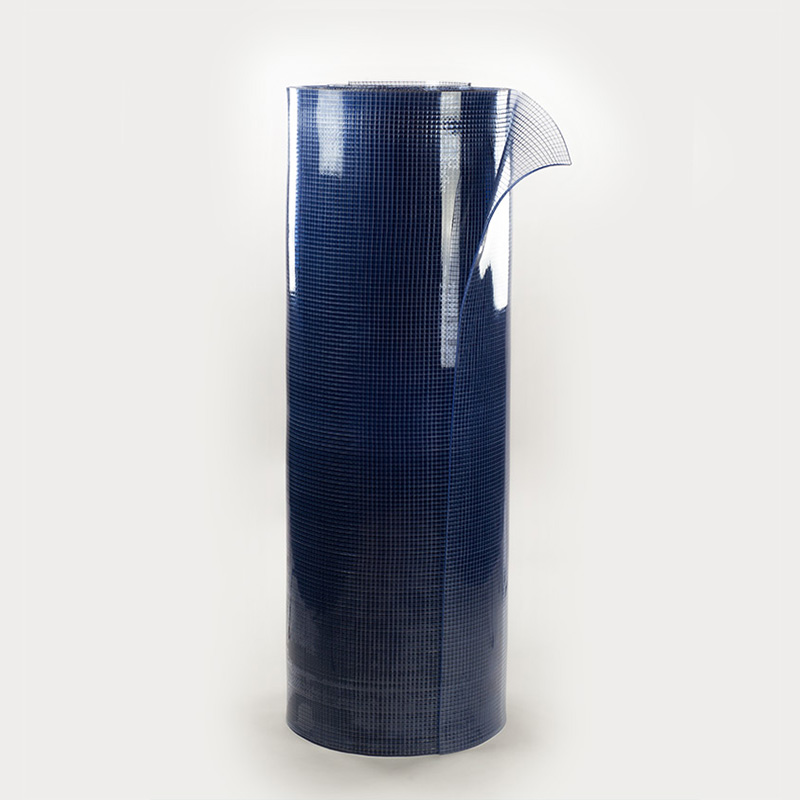

| Alta resistencia a los rayos UV |

| Aislamiento térmico |

| Transparencia/claridad |

| Larga durabilidad |

| Resistencia a impactos y rayones |

| Respetuoso con el medio ambiente y reciclable |
Formatos
- Rollos, tiras, cortinas, paneles y películas
- Acanalado, reforzado, bordes redondeados, superficie mate
| Mín | Máx | |
| Ancho | 75 mm | 2.2 m |
| Grosor | 0.3 mm | 12 mm |
| Longitud | 20 m | 100 m |
Acerca del PVC resistente a los rayos UV
El PVC anti-UV es una gama de PVC flexible con propiedades anti-UV para una mayor protección contra la luz ultravioleta.
El aditivo anti-UV específico incluido en el PVC proporciona una resistencia óptima a las condiciones climáticas agresivas y garantiza una larga vida útil.
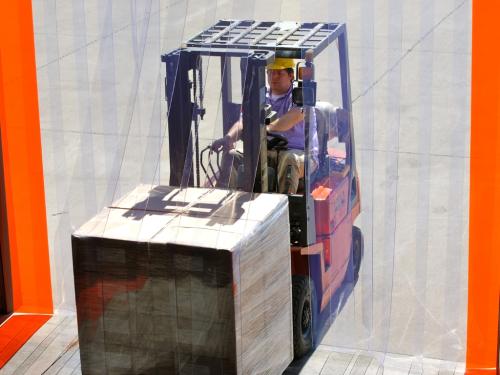
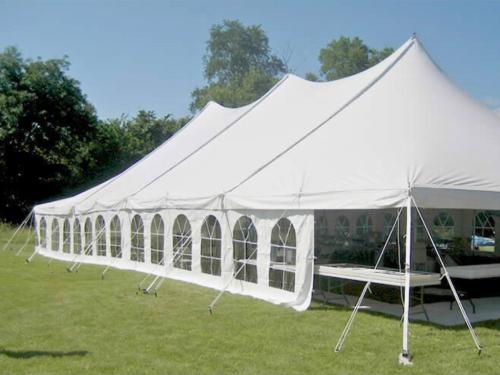
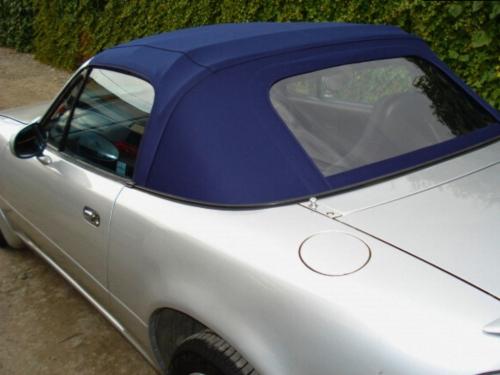
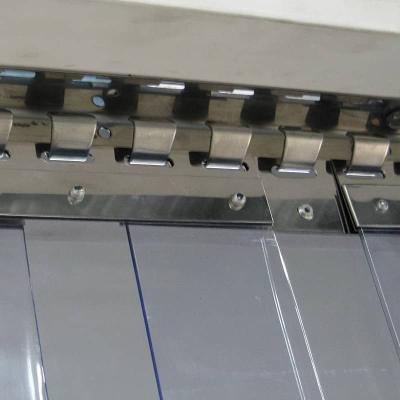
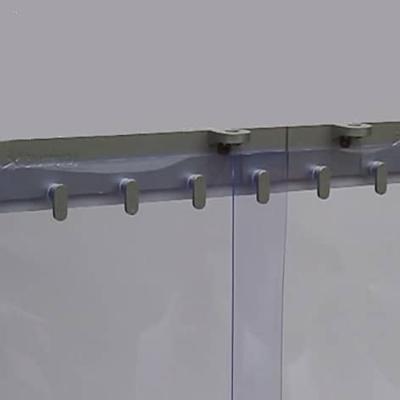
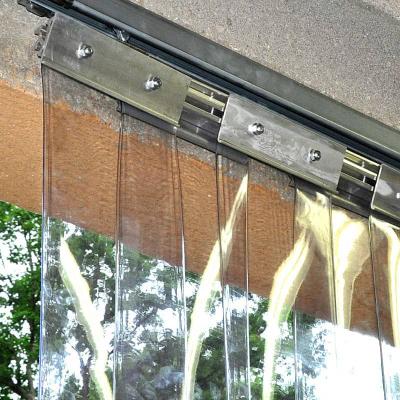
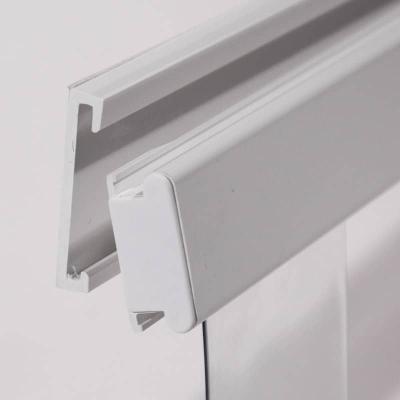
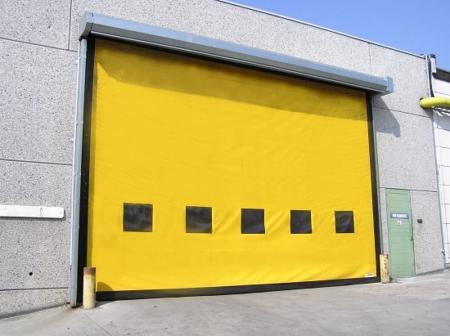
El PVC blando anti-UV se puede utilizar para muchas aplicaciones, pero lo recomendamos para puertas y ventanas, como puertas enrollables rápidas, carpas, tiendas de campaña o cubiertas para embarcaciones.
Aplicaciones
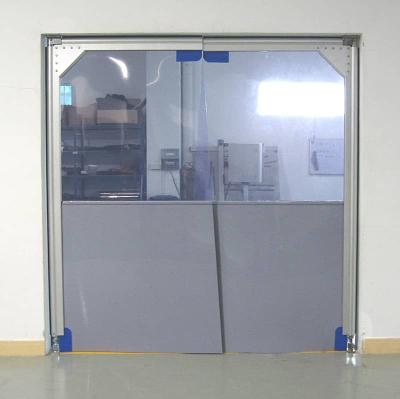

¿Por qué usar PVC anti-UV?
El PVC anti-UV ha sido tratado para resistir los efectos dañinos de la radiación ultravioleta (UV) de la luz solar.
La radiación UV puede degradar el PVC con el tiempo, provocando decoloración, fragilidad y pérdida de propiedades mecánicas. Al incorporar estabilizadores UV en la formulación del PVC, podemos prolongar la vida útil y mantener la apariencia de los productos de PVC expuestos a la luz solar, haciéndolos más duraderos y aptos para uso en exteriores.
El PVC flexible anti-UV se puede utilizar para muchas aplicaciones, pero se usa más comúnmente en puertas y ventanas, como puertas enrollables rápidas, carpas, tiendas de campaña o cubiertas para embarcaciones.
Aplicaciones comunes
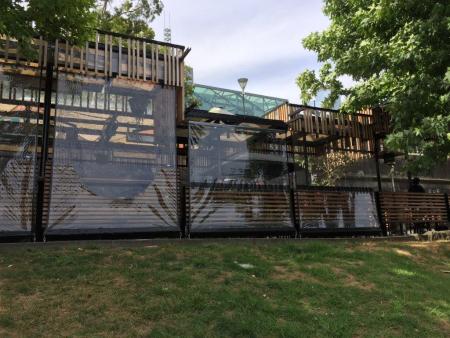
- Carpas y marquesinas
- Techados y ventanas
- Instalaciones médicas
- Cabinas de pintura
- Navegación y yates
- Salones de bronceado
¿Cómo funcionan los absorbentes UV?
Estos aditivos absorben la radiación UV y la convierten en energía térmica inocua.
Los absorbentes UV suelen ser moléculas orgánicas incorporadas a la formulación del PVC. Cuando la radiación UV incide en el material de PVC, los absorbentes la absorben, impidiendo que llegue a las cadenas de polímeros y provoque su degradación.
Technical datasheet
| Properties | Standard | Units | Standard | Description |
| Light transmittance | ASTM D 1003 | % | 85 | Visible light rate transmitted through the material. |
| Shore A hardness | EN ISO 868 | Sh A | 80 | Index based on a flat indenter's penetration depth. Scale from 0 (Soft) to 100 (Hard). |
| Tearing resistance | DIN 53515 | N/mm | 50 | Minimum tensile stress required to tear a pre-slit sample. |
| Tensile strength at break | ASTM D 638 EN ISO 527 | N/mm² | 16 | Maximum tensile stress that a material can be subjected to before break. |
| Elongation at break | % | 340 | Elongation of the specimen at the break point under tensile stress. | |
| Residual elong. (after break) | % | 68 | Permanent elongation of the specimen measured after rupture in a tensile test. | |
| Thermal conductivity | ASTM C 177 | W/m.K | 0,16 | Ability to conduct heat. The lower it is, the more insulation. |
| Cold bend brittle temp. | ISO 8570 | °C | -35 | Temperature at which the specimen break under torsion stress. Brittle point (CLASH & BERG). |
| Min. usage temp. | EN 1876 | °C | -15 | Temperature range where material keeps its mechanical properties (flexibility). |
| Max. usage temp. | °C | +50 | ||
| Specific heat capacity | ISO 11357 | kJ/kg.K | 1,6 | Heat energy required to increase the temperature of one kilogram of the material by one degree Celsius. |
| Sound reduction | DIN 52210 | dB | >35 | Average sound level (freq. 0,1 to 3,2 kHz) decreased by a 1,76 sq.m. and 5 mm thick PVC curtain. |
| Reaction to fire | EN 13501-1 | Class | - | Standard classifications of material self-extinguishing and resistance to combustion. |
| UV/IR filter | ISO 25980 | - | - | Ability to filter welding rays allowing the use of this material as a welding protection screen. |
| UV resistance | ISO4892 | - | High | Ability to resist to UV (Sun, welding arc). |
| Surface resistivity | ASTM D257 | .1010 Ω/□ | 30 | Material surface electric resistivity measured with a 100 V direct voltage. |
| Water absorption | EN ISO 62 | % | -0,2 | Material mass variation after exposure to humid conditions. (<0 if released / >0 if absorbed) |
| Anti-insect | - | - | - | Special ability to keep insects away.(Food processing plants, tropical regions) |
| Density | ASTM D 792 | g/cm3 | 1,22 | Mass per unit volume. |
This information given to our customer in good faith to inform them and to help them in their search, does not constitute any formal or implicit guarantees as to its use.
A descargar gratis
- FLEXIBLE VINYL - NON-PHTHALATE PLASTICIZER (EN).pdf
- FLEXIBLE VINYL - SOLUTION FOR BUILDING (EN).pdf
- FLEXIBLE VINYL - SOUND REDUCTION (EN).pdf
- FLEXIBLE VINYL - THICKNESS & THERMAL INSULATION (EN).pdf
- FLEXIBLE VINYL - THERMAL INSULATION (EN).pdf
- FLEXIBLE VINYL - STABILIZERS & DURABILITY (EN).pdf
- PLASTIC MATERIALS & EARTH’S ENERGY RESOURCES (EN).pdf
- PLASTIC MATERIALS & GLOBAL WARMING (EN).pdf
- PLASTIC MATERIALS & OIL RESSOURCES (EN).pdf