What are you looking for?


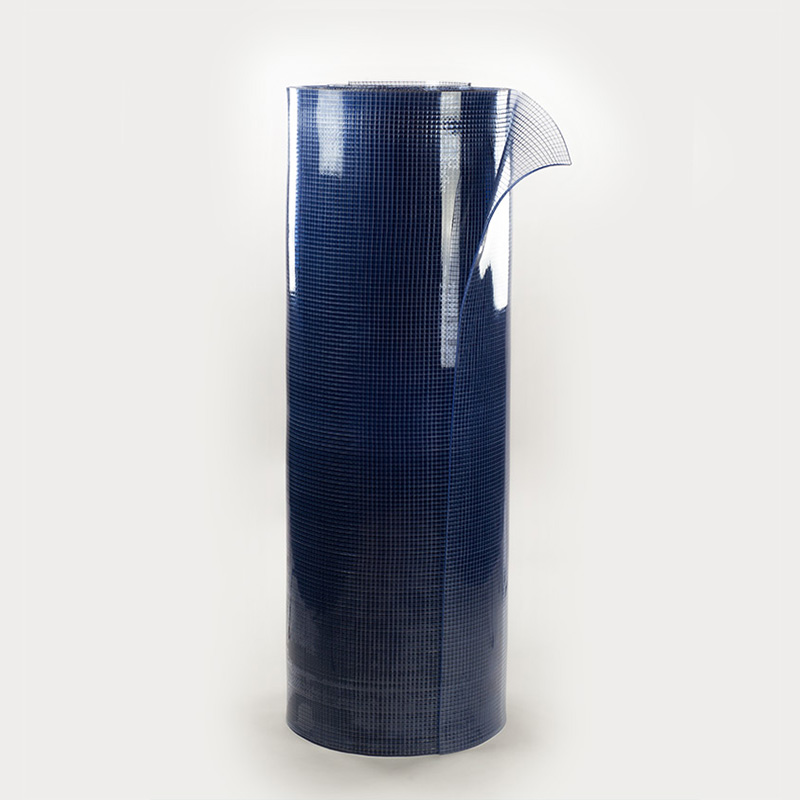
UV-beständiges PVC
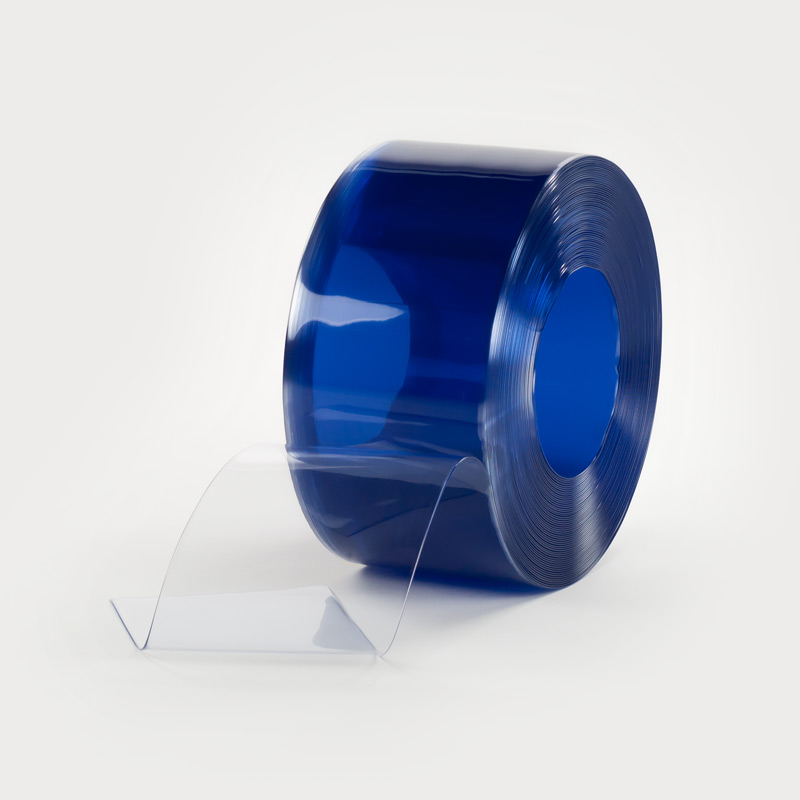
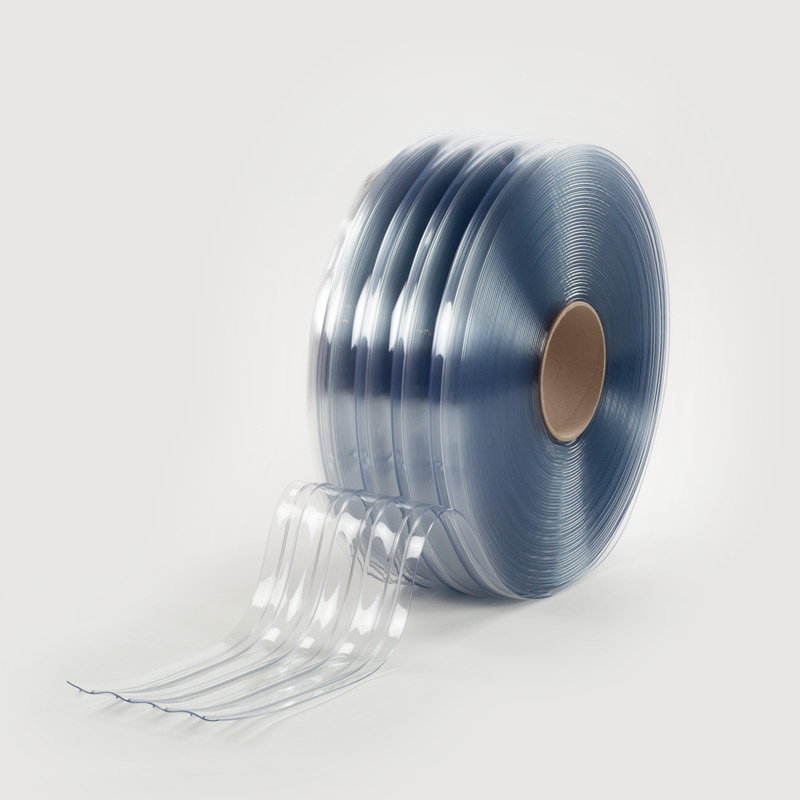
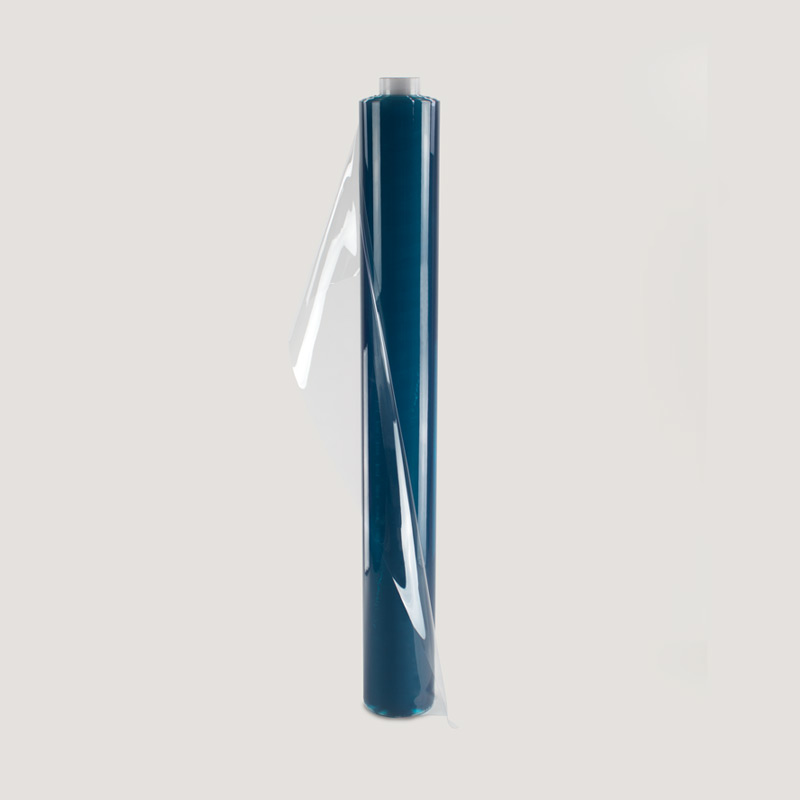
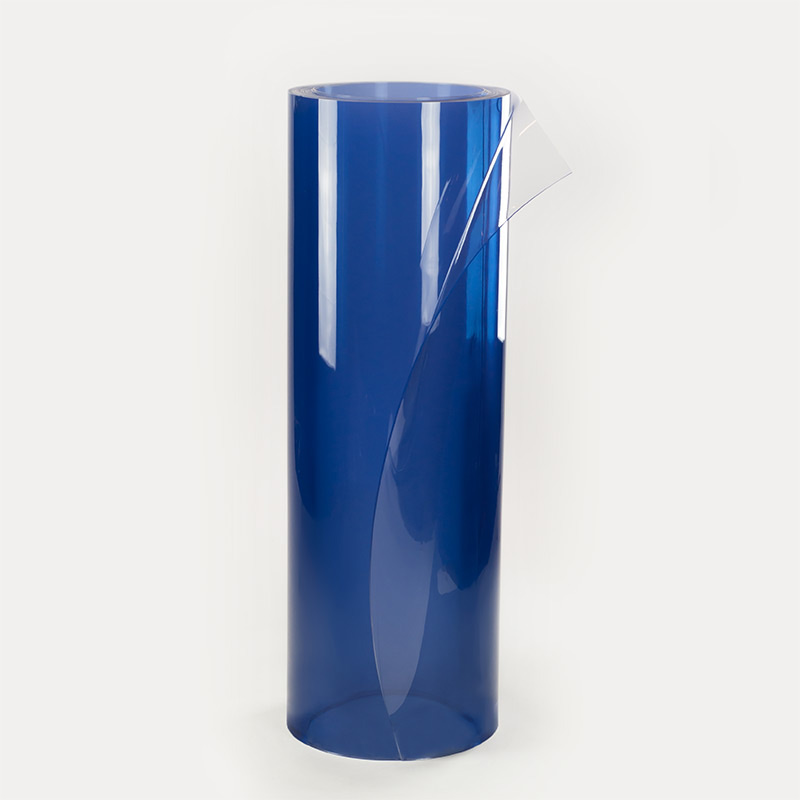

| Hohe UV-Beständigkeit |

| Wärmeisolierung |

| Transparenz/Klarheit |

| Lange Lebensdauer |

| Stoß- & Kratzfestigkeit |

| Umweltfreundlich & recycelbar |
Formate
- Rollen, Streifen, Vorhänge, Panele und Folien
- Gerippt, verstärkt, abgerundete Kanten, matte Oberfläche.
| Min | Max | |
| Width | 75 mm | 2.2 m |
| Thickness | 0.3 mm | 12 mm |
| Length | 20 m | 100 m |
Über UV-beständiges PVC
UV-beständiges PVC ist eine flexible PVC-Art mit UV-Schutzeigenschaften für zusätzlichen Schutz vor ultraviolettem Licht.
Der im PVC enthaltene spezielle UV-Zusatz bietet optimale Widerstandsfähigkeit gegenüber aggressiven Wetterbedingungen und garantiert eine lange Lebensdauer.
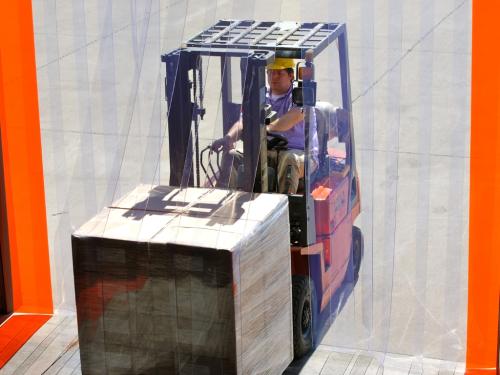
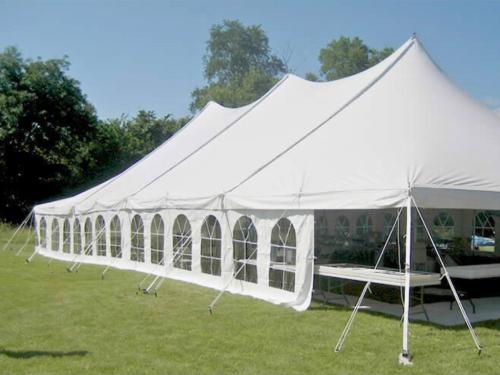
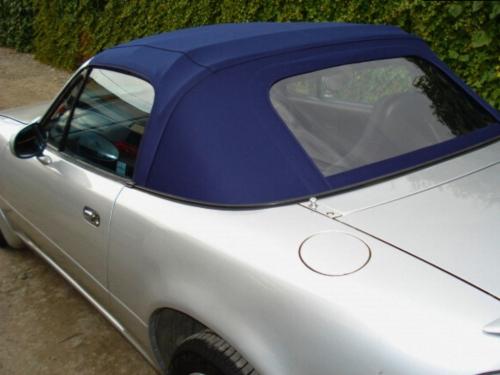
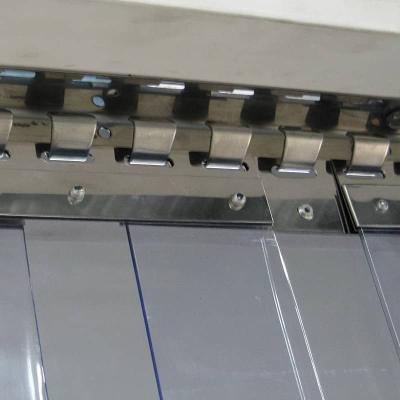
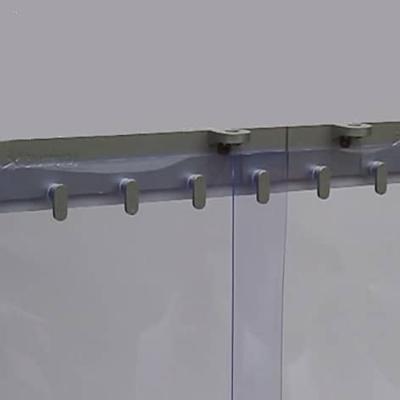
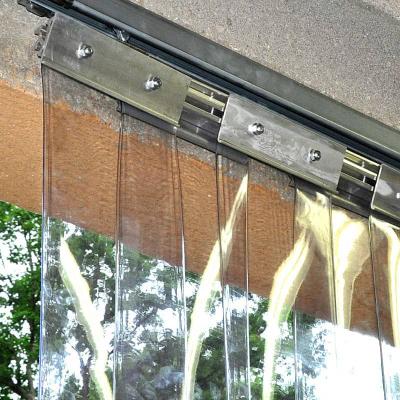
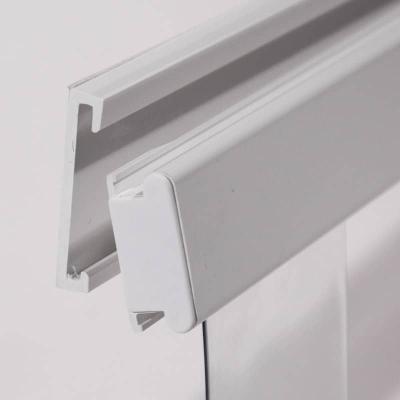
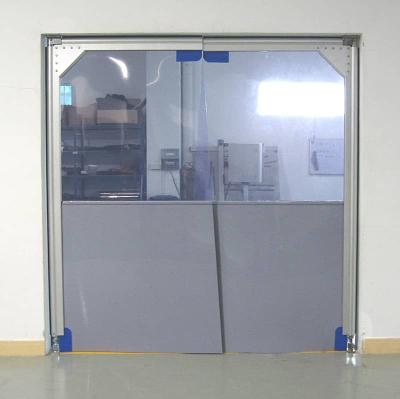
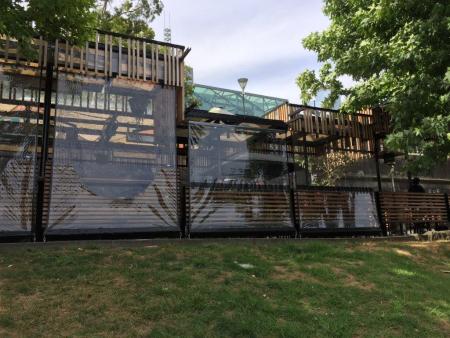
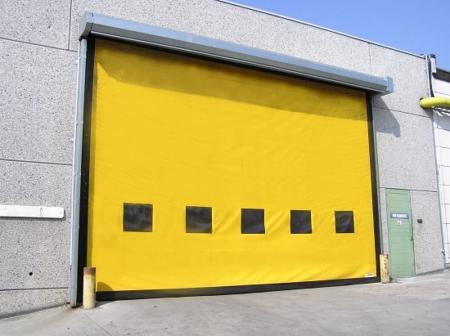
UV-beständiges weiches PVC kann für viele Anwendungen eingesetzt werden, aber von uns wird es empfohlen für Türen und Fenster, z.B. für Schnell-Rolltore, Festzelte, Zelte oder Bootsabdeckungen.
Anwendungen

Warum UV-beständiges PVC verwenden?
UV-beständiges PVC wurde so behandelt, dass es den schädlichen Auswirkungen der ultravioletten (UV-)Strahlung des Sonnenlichts widersteht.
UV-Strahlung kann dazu führen, dass PVC mit der Zeit beeinträchtigt wird, was zu Verfärbungen, Versprödung und einem Verlust der mechanischen Eigenschaften führt.
Durch die Einarbeitung von UV-Stabilisatoren in die PVC-Formulierung können wir die Lebensdauer verlängern und das Erscheinungsbild von PVC-Produkten erhalten, die Sonnenlicht ausgesetzt sind, was die Haltbarkeit und die Leistung im Außeneinsatz verbessert.
UV-beständiges, flexibles PVC kann für viele Anwendungen eingesetzt werden, wird aber am häufigsten für Türen und Fenster verwendet, z.B. für Schnell-Rolltore, Festzelte, Zelte oder Bootsabdeckungen.
Häufige Anwendungsbereiche
- Zelte und Festzelte
- Überdachungen und Fenster
- Medizinische Einrichtungen
- Spritzkabinen
- Boots- und Yachtbau
- Sonnenstudios
Wie funktionieren UV-Absorber?
Diese Additive wirken, indem sie die UV-Strahlung absorbieren und in harmlose Wärmeenergie umwandeln.
UV-Absorber sind typischerweise organische Moleküle, die der PVC-Formulierung beigemischt werden. Trifft UV-Strahlung auf das PVC-Material, absorbieren die UV-Absorber die Strahlung und verhindern so, dass sie die Polymerketten erreicht und deren Abbau verursacht.
Technical datasheet
| Properties | Standard | Units | Standard | Description |
| Light transmittance | ASTM D 1003 | % | 85 | Visible light rate transmitted through the material. |
| Shore A hardness | EN ISO 868 | Sh A | 80 | Index based on a flat indenter's penetration depth. Scale from 0 (Soft) to 100 (Hard). |
| Tearing resistance | DIN 53515 | N/mm | 50 | Minimum tensile stress required to tear a pre-slit sample. |
| Tensile strength at break | ASTM D 638 EN ISO 527 | N/mm² | 16 | Maximum tensile stress that a material can be subjected to before break. |
| Elongation at break | % | 340 | Elongation of the specimen at the break point under tensile stress. | |
| Residual elong. (after break) | % | 68 | Permanent elongation of the specimen measured after rupture in a tensile test. | |
| Thermal conductivity | ASTM C 177 | W/m.K | 0,16 | Ability to conduct heat. The lower it is, the more insulation. |
| Cold bend brittle temp. | ISO 8570 | °C | -35 | Temperature at which the specimen break under torsion stress. Brittle point (CLASH & BERG). |
| Min. usage temp. | EN 1876 | °C | -15 | Temperature range where material keeps its mechanical properties (flexibility). |
| Max. usage temp. | °C | +50 | ||
| Specific heat capacity | ISO 11357 | kJ/kg.K | 1,6 | Heat energy required to increase the temperature of one kilogram of the material by one degree Celsius. |
| Sound reduction | DIN 52210 | dB | >35 | Average sound level (freq. 0,1 to 3,2 kHz) decreased by a 1,76 sq.m. and 5 mm thick PVC curtain. |
| Reaction to fire | EN 13501-1 | Class | - | Standard classifications of material self-extinguishing and resistance to combustion. |
| UV/IR filter | ISO 25980 | - | - | Ability to filter welding rays allowing the use of this material as a welding protection screen. |
| UV resistance | ISO4892 | - | High | Ability to resist to UV (Sun, welding arc). |
| Surface resistivity | ASTM D257 | .1010 Ω/□ | 30 | Material surface electric resistivity measured with a 100 V direct voltage. |
| Water absorption | EN ISO 62 | % | -0,2 | Material mass variation after exposure to humid conditions. (<0 if released / >0 if absorbed) |
| Anti-insect | - | - | - | Special ability to keep insects away.(Food processing plants, tropical regions) |
| Density | ASTM D 792 | g/cm3 | 1,22 | Mass per unit volume. |
This information given to our customer in good faith to inform them and to help them in their search, does not constitute any formal or implicit guarantees as to its use.
Kostenfreier Download
- FLEXIBLE VINYL - NON-PHTHALATE PLASTICIZER (EN).pdf
- FLEXIBLE VINYL - SOLUTION FOR BUILDING (EN).pdf
- FLEXIBLE VINYL - SOUND REDUCTION (EN).pdf
- FLEXIBLE VINYL - THICKNESS & THERMAL INSULATION (EN).pdf
- FLEXIBLE VINYL - THERMAL INSULATION (EN).pdf
- FLEXIBLE VINYL - STABILIZERS & DURABILITY (EN).pdf
- PLASTIC MATERIALS & EARTH’S ENERGY RESOURCES (EN).pdf
- PLASTIC MATERIALS & GLOBAL WARMING (EN).pdf
- PLASTIC MATERIALS & OIL RESSOURCES (EN).pdf